Mail Address
info at seniorlivingmastery.com
Phone Number
+1 754 220 7740
Email marketing’s still one of the best ways for senior living communities to connect with potential residents and their families. For every dollar spent on email marketing, senior living communities can expect an average return of $42, making it one of the most cost-effective marketing strategies available.
About 73% of adults over 55 say they prefer email for brand communications. That means you get a direct line to your audience.
Your senior living community needs a way to stay in touch with families while they weigh their options. Email lets you share updates, highlight what makes your place special, and build trust with folks making a huge decision.
This guide covers how to create email marketing for senior living that actually work. You’ll find out how to build quality contact lists, write emails people actually want to read, and use automation tools to save time while bumping up your occupancy rates.
Email marketing delivers measurable results for senior living communities by connecting with decision-makers at key moments in their search. It builds trust through regular communication and provides one of the highest returns on investment in senior living marketing.
Email marketing gives your community direct access to prospects at every stage of the marketing funnel. You can track open rates, click-throughs, and conversions to see what really lands with your audience.
Your team can send personalized messages based on where prospects are in their journey. New inquiries might get educational content about senior living options, while families closer to a decision get tour invites, testimonials, or pricing info.
Email automation takes care of repetitive tasks. Welcome sequences greet new subscribers automatically. Birthday messages and event invites go out on schedule, which frees your sales team to focus on one-on-one conversations with the most qualified leads.
The data from your campaigns shows what topics spark interest. High open rates on certain subject lines reveal what matters most to your audience. Strong click-through rates point to which calls-to-action actually work.
Adults over 55 usually prefer email for business info. They check their inbox often and trust messages that land there, so email tends to work better than social media for this age group.
Adult children – often in their 40s and 50s – research senior living for their parents, and they’re big on email too. Your campaigns reach both generations involved in the decision.
Segment your audience based on their needs. Independent living prospects get different content than those seeking memory care. Families looking for immediate placement see available units, while long-term planners get educational resources.
Email marketing generates about $42 for every $1 spent. That’s tough to beat compared to most traditional advertising options for senior living communities.
Print ads, direct mail, and billboards cost more per contact and don’t let you track results the way email does. With email, you know exactly who opened, clicked, or visited your site.
Your email list is yours. Social media platforms can change their rules or algorithms overnight, but email addresses stick with you no matter what.
Smaller communities with tighter budgets can still compete with bigger facilities by using smart email marketing. The tools are affordable and scale with your list.

A strong email list is the backbone of successful email marketing for senior living. Your list should include potential residents, family members, and referral partners, all gathered ethically and organized by care needs and decision-making roles.
Build your list through real interactions, not by buying databases. Offer useful content like care guides, event invites, or tours in exchange for email addresses. Place opt-in forms on your website, especially on high-traffic pages.
Host webinars or community events where attendees provide their contact information. Partner with healthcare providers, social workers, and elder care attorneys who can refer families your way. These partners can share your sign-up forms with their clients who need senior living services.
Track where each email comes from with unique sign-up forms or landing pages. This helps you see which sources bring the most engaged subscribers. Always use double opt-in so subscribers confirm their email addresses – this keeps your list healthy and reduces spam complaints.
Split your email list into groups based on care needs and who’s making decisions. Make segments for independent living, assisted living, and memory care prospects. Each group has different priorities.
Key segmentation categories:
Send different messages to seniors living independently versus those needing immediate care. Family members want info about safety features and staff, while seniors care more about social activities and amenities. Automation tools can trigger specific emails based on segment interests and behavior.
Your emails need to follow privacy laws, including the CAN-SPAM Act and any state rules. Always include a clear unsubscribe link and honor opt-outs within 10 business days. Put your physical mailing address in the footer as required.
Store email addresses securely, use encryption, and limit staff access. Have a privacy policy that explains how you collect, use, and protect subscriber data. Get explicit consent before adding anyone to your list, and never share info without permission.
Keep records of when and how each person joined your list. This protects your community if anyone questions how you got their info.
Good email campaigns for senior living need thoughtful planning from the very first welcome message. Every email type moves prospects closer to choosing your community and helps build trust with families.
Your welcome email sets the tone for everything that follows. Send it within 24 hours after someone signs up or asks for info about your community.
Say thanks for their interest and let them know what to expect from future emails. Add a simple call to action, like scheduling a tour or downloading a guide. Keep it focused – don’t overload them with info.
Follow up with more emails over the next two to three weeks. Space them out by three to five days so you stay on their radar but don’t feel pushy. Each follow-up can spotlight a different part of your community, like amenities or resident life, and answer common questions families have.
Educational emails build trust by offering valuable info about senior living and aging. Focus on content that helps families make better decisions for their loved ones.
Share articles about downsizing, understanding different care levels, or navigating Medicare. Break up complex topics into simple, actionable tips. Bullet points and short paragraphs make things easier to read.
Include resident testimonials to show real experiences from people living in your community. These stories help prospects picture themselves there and offer social proof. Highlight details about dining, activities, or how your staff goes the extra mile.
Promotional emails announce community events and special offers that spark excitement. Let folks know about open houses, seasonal celebrations, or limited-time incentives for new residents.
Keep these messages focused on one offer or event. State the benefit upfront and add a clear call to action – something like “Reserve Your Spot” or “Schedule Your Visit.” Make the next step obvious.
Community updates keep families engaged by sharing what’s happening inside your community. Highlight activities, introduce new staff, or share facility improvements. These emails keep prospects in the loop, even if they’re not ready to move yet.
Personalization means more than just using a first name. Segment your list by decision stage, care needs, or interests for more relevant messages.
Target messages to each group’s unique concerns. Families looking at memory care need different info than those considering independent living. Your design and tone should show you understand their situation.
Write with empathy. Choosing senior living is a big step, so avoid pushy sales talk. Focus on how your community solves real problems. Use a conversational tone, almost like advice from a friend.
Address common fears and concerns head-on. Many families worry about cost, care quality, or whether their loved one will adjust. Offer reassurance with specific examples and real stories.
Email performance really comes down to three things: accessible design, smart timing, and data-driven improvements. These factors affect your open rates, click-throughs, and overall campaign success.
Your emails need to look good on phones and tablets because a lot of seniors check email on mobile. Use a single-column layout that automatically fits different screens. Keep text at least 14 points for body and 22 for headlines.
Pick clear fonts like Arial or Helvetica. Make buttons big enough to tap – at least 44 pixels tall. This simple tweak can seriously boost your click-throughs.
Pay attention to color contrast. Use dark text on light backgrounds with a contrast ratio of at least 4.5:1. Don’t put text over busy images.
Add alt text to images so your message still makes sense if pictures don’t load. Keep subject lines under 50 characters so they show up fully on mobile. These practices make your emails easier to read and help keep your unsubscribe rate down.
Send emails between Tuesday and Thursday for better open rates. Mondays are crowded and Fridays aren’t great – people are distracted. Aim for mid-morning (9-11 AM) or early afternoon (1-3 PM) in your audience’s time zone.
Try different days and times to see what works for your audience. Track your email metrics to spot trends. Some communities have luck with weekends when adult children have more time to research options with their parents.
Don’t overdo it. Once or twice a week keeps your community in mind without annoying subscribers. A steady schedule helps keep open rates healthy and unsubscribes low.
A/B testing lets you compare two versions of an email to see which one performs better. Try testing just one element at a time – maybe the subject line, a call-to-action button, or even an image.
Send version A to half your list and version B to the other half. That way, you can see which version really works.
Track these email metrics for each test:
For reliable results, run tests with at least 1,000 recipients. Small lists usually don’t show a clear winner.
Wait 24-48 hours before checking results. Not everyone opens emails right away, so patience pays off.
Use the winning elements in your future campaigns. But honestly, keep testing – what works now might flop in a month.
Regular testing helps you follow email marketing tips that actually boost performance instead of just making guesses.
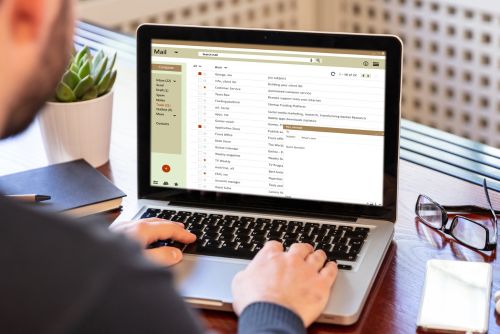
Email marketing automation streamlines communication with prospective residents and their families while still keeping a personal touch. The right tools and integration strategies help senior living communities send targeted messages at just the right time, no manual effort needed.
Automated nurturing campaigns guide prospects through their decision-making journey with pre-scheduled, relevant emails. You can set up workflows that trigger when someone downloads a brochure or attends a tour.
These campaigns might include welcome emails, educational content about senior living options, and follow-ups after inquiries. Automation lets you segment prospects based on their interest or care needs.
Someone researching memory care gets different content than someone looking at independent living. The system sends these emails automatically based on the rules you set up.
Time-sensitive follow-ups work especially well with automation. When a family member fills out a contact form, they’ll get an immediate response, then more helpful resources over the next few weeks.
This keeps your community top-of-mind without staff having to track every single interaction manually.
Your email marketing automation works best when it’s connected to your customer relationship management system. This way, all prospect information stays in one place, and your sales team can see every email interaction.
When a prospect clicks a link or opens an email, your CRM records that activity. Integration lets you track the full prospect journey from first contact to move-in.
You can see which emails drive the most engagement and which prospects might need more attention. Your team can access email history, tour schedules, and notes all in one platform.
Lead scoring works better with integrated systems. The platform assigns points based on email engagement, website visits, and other behaviors to highlight your most interested prospects.
HubSpot offers strong automation features with CRM integration built in. The platform handles email campaigns, lead management, and analytics in one place.
They provide templates designed for senior living marketing and track prospect behavior across all touchpoints. Mailchimp and Constant Contact serve as user-friendly, budget-friendly options for communities just starting with email marketing automation.
Each tool offers different pricing and features. Your choice depends on your community’s size, budget, and technical needs.
Entry-level platforms work well for simple campaigns. If you need complex automation across multiple channels, enterprise solutions like HubSpot have your back.

Track the right metrics to figure out what’s working (and what’s not) in your email campaigns. Use that data to make smarter changes that boost occupancy and improve your marketing results.
Open rate shows how many people opened your email compared to how many received it. For senior living communities, a good open rate falls between 20-30%.
This metric tells you if your subject lines grab attention and if you’re sending at the right times. Click-through rate (CTR) measures how many recipients clicked a link in your email.
A healthy CTR for senior living emails is 2-5%. This number shows if your content and calls-to-action get people to take the next step.
Click-to-open rate (CTOR) divides clicks by opens to show how well your email content performs once someone opens it. A strong CTOR means your message actually resonates with readers.
Calculate it by dividing total clicks by total opens, then multiply by 100. Conversion rate tracks how many people completed your desired action, like scheduling a tour or downloading a brochure.
This is your most important metric because it directly ties to filling units. Unsubscribe rate should stay below 0.5% per campaign.
If it’s higher, you probably need to adjust your content or how often you send emails.
Test different subject lines to boost your open rate. Try personalization, questions, or mention specific services like memory care or assisted living.
Make your emails mobile-friendly since so many adult children research senior living options on their phones. Use big fonts, clear buttons, and short paragraphs that are easy to read on small screens.
Send emails when your audience is most likely to engage. For senior living, weekday mornings usually work better than evenings or weekends.
Track your open rates by send time to find your sweet spot. Include clear, specific calls-to-action.
Instead of “Learn More,” try “Schedule Your Personal Tour” or “Download Our Memory Care Guide.” These specific prompts tend to get better click-through rates.
Take a look at your metrics every week. Spotting trends early gives you a head start.
If you see open rates drop, double-check your subject lines and preview text. But if your click-through rate falls while opens stay steady, maybe your content’s just not hitting the mark.
Break your list into segments based on how engaged people are. Try sending re-engagement campaigns to folks who haven’t opened an email in 60 days.
If someone hasn’t engaged in six months, it’s probably time to remove them. Keeping your list clean actually helps you in the long run. This is how email marketing for senior living works.
It’s worth comparing your cost per move-in for different types of emails. Sure, newsletters might get more opens, but those targeted campaigns about specific services? They usually convert better.
Focus on what actually brings in residents. No need to waste energy on stuff that doesn’t move the needle.
When you A/B test, stick to one change at a time. Try subject lines this week, maybe test send times next week, and then play with content formats after that.
This way, you’ll know exactly which tweaks make a difference. It’s a bit of trial and error, but that’s part of the process, isn’t it?