Mail Address
info at seniorlivingmastery.com
Phone Number
+1 754 220 7740

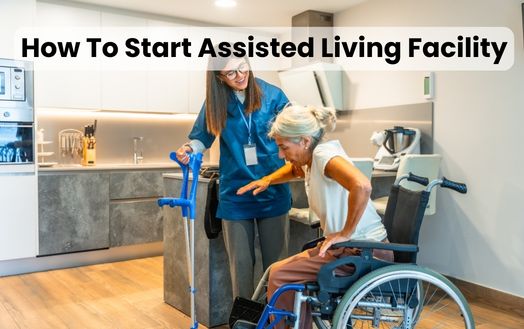
Starting an assisted living facility isn’t just about finding a building and hiring staff – it’s a complex process that’ll test your business acumen, regulatory knowledge, and commitment to senior care. You’ll need to navigate state licensing requirements, secure substantial funding, and build systems that keep residents safe while maintaining profitability. The barriers to entry are high, but so are the rewards if you get it right. Here’s what you need to know on how to start assisted living facility before taking your first step.
Before you invest time and money into launching your assisted living facility, you’ll need to thoroughly research your state’s specific licensing requirements. Each state regulations framework differs significantly, so what works in California won’t necessarily apply in Texas.
Contact your state licensing agency directly to obtain current guidelines and documentation checklists. They’ll outline the licensing process, including inspections, staff qualifications, and facility standards you must meet.
Start your licensing application early – the approval timeline can stretch from several months to over a year. You’ll typically need to demonstrate compliance with building codes, fire safety protocols, health regulations, and administrator certification requirements.
Don’t view these licensing requirements as mere bureaucratic hurdles. They’re your foundation for building a compliant, innovative care model. Forward-thinking operators leverage these standards to differentiate their facilities, implementing cutting-edge technologies and care approaches that exceed baseline expectations.

Every aspect of launching an assisted living facility carries significant financial implications you’ll need to map out before breaking ground. Your business plan must account for real estate for assisted living, which represents your largest initial investment – whether you’re purchasing, constructing, or renovating an existing structure.
When calculating startup costs, factor in licensing fees, insurance premiums, equipment purchases, and technology infrastructure. You’ll also need working capital to cover staffing, utilities, and operational expenses before revenue stabilizes.
Starting costs typically range from $500,000 to several million dollars, depending on your facility’s size and location. Smart financial planning includes contingency funds for unexpected expenses and regulatory compliance updates. This is when hiring a consultant that works specifically with senior living facilities can be really beneficial, because they can help guide you on the types of numbers that you might be expected to pay. That way, you’re not guessing; you’ll get a more accurate picture.
Consider innovative funding approaches: SBA loans, private investors, or healthcare-focused venture capital. Some entrepreneurs reduce initial outlays through adaptive reuse of existing buildings or phased expansion models.
Track every projected expense meticulously – your financial projections will drive lending decisions and investor confidence in your venture.
Your detailed cost projections now need a home – a comprehensive business plan that transforms numbers into a compelling narrative for lenders and investors.
Your senior housing business plan should articulate a clear assisted living revenue model, demonstrating how occupancy rates, service tiers, and ancillary offerings generate sustainable income. Investors want to see return on investment assisted living projections backed by market research and realistic timelines.
For a small assisted living home startup, highlight your competitive advantages – whether that’s specialized memory care, technology integration, or unique programming that disrupts traditional care models.
When approaching funding sources, prepare for a rigorous application process. Banks, SBA loans, private equity firms, and healthcare-focused investors each require different documentation. You’ll need pro forma financial statements, demographic analyses, and operational blueprints.
Don’t overlook alternative funding streams: angel investors passionate about senior care innovation, crowdfunding platforms, or partnerships with healthcare systems seeking community-based solutions.

While your business plan outlines the financial roadmap, selecting the right location can make or break your assisted living facility’s success. You’ll need to secure zoning approval before committing to any property, as local regulations vary significantly between municipalities.
Consider your target market when scouting locations. Proximity to hospitals, pharmacies, and medical specialists adds tremendous value for residents and their families. You’ll also want easy access to community amenities that enhance quality of life.
Analyze the local demographic data to ensure sufficient demand exists. Look for areas with growing senior populations and limited competition. Your facility should integrate seamlessly into the surrounding community while offering peaceful, accessible grounds.
Don’t overlook practical considerations like parking, public transportation access, and room for future expansion. Partner with a commercial real estate agent who understands healthcare properties and can navigate the complex approval processes efficiently.
How well you design your facility determines whether you’ll pass state inspections and provide residents with a safe, comfortable home. This is an important consideration as you explore how to start assisted living facility.
Start by researching your state’s building code compliance standards and health department regulations. These dictate room dimensions, ventilation systems, and sanitation requirements. If you’re planning to convert a home into an assisted living facility, you’ll likely need significant modifications to meet commercial standards.
ADA compliance requirements demand accessible doorways, bathrooms, and common areas. Install grab bars, wheelchair ramps, and elevators where necessary. Your fire safety inspection will evaluate sprinkler systems, smoke detectors, emergency exits, and evacuation plans – don’t cut corners here.
Consider innovative solutions like smart monitoring systems, antimicrobial surfaces, and modular room designs that adapt to changing care needs. Partner with architects experienced in healthcare facilities to integrate cutting-edge safety features while maintaining a residential atmosphere.
Document every design decision and keep compliance records organized for inspectors who’ll review your facility before licensing approval.

Because your staff directly impacts resident care quality and regulatory compliance, hiring the right people ranks among your most critical decisions. You’ll need to understand your state’s caregiver staffing ratios, which typically mandate minimum staff-to-resident numbers based on care levels and time of day.
Build your team with these essential positions:
Your state dictates specific training requirements for each role. Staff training must cover emergency procedures, dementia care, infection control, and resident rights. You’ll want to implement ongoing education programs that exceed minimum standards – this approach attracts top talent and reduces turnover.
Consider leveraging workforce management technology to optimize scheduling, track certifications, and ensure you’re consistently meeting staffing ratios across all shifts.
Once you’ve assembled your team, you’ll need robust compliance systems to keep your facility operating within state regulations and delivering consistent care.
Start by developing comprehensive procedures that address every aspect of daily operations. Your medication management services require precise documentation, tracking systems, and error-prevention protocols. Consider implementing digital solutions that automate compliance monitoring and flag potential issues before they become violations.
Draft clear resident admission agreements that outline services, fees, discharge criteria, and resident rights. These documents protect both your business and the people you serve.
Create quality assurance programs that include regular audits, staff competency assessments, and incident reporting mechanisms. Build feedback loops so you’re continuously improving care delivery rather than simply meeting minimum standards.
Document everything. Your procedures should cover emergency responses, infection control, fall prevention, and daily living assistance. Train staff thoroughly on each protocol and update systems as regulations evolve.

Empty beds drain your budget fast, so marketing should begin months before your assisted living facility opens its doors. You’ll need to deploy senior living marketing strategies that blend traditional outreach with cutting-edge digital approaches. You need to hire the best Senior Living Marketing Company that you can possibly find, because this is something you can’t get wrong. If you hire a generic marketing agency that says that they can help you and has case studies, but for things like roofing, you could be in trouble. This is a highly regulated field, and you don’t want to work with the wrong people.
You should work with the company that specializes in senior living SEO and senior living digital marketing that offer full encompassing services. The reason for that is they’re going to be able to drastically drive down the cost of this endeavor.
If you think about it logically, if you have a bad reputation, you want to work with a really good senior living marketing company that performs senior living reputation management to drive up your overall reputation online. If you have to pay $400, which is pretty close to the average lead cost in the industry, how do you beat your competitors if they’re paying $200 a lead and they have a better online reputation? That’s why you need to work with X experts like Senior Living Mastery. They are the pros.
A few big tips when you start your facility:
You want to make sure that you start doing things like senior living PPC, so you’re running a lot of ads. You’re doing things like assisted living Facebook ads to help drive awareness locally on Facebook. That can be a fantastic thing for your senior living social media marketing strategy, which will overall help you get a leg up over the competition.
You want to make sure that you work with experienced professionals for senior living website design, because what they’re going to do is build you a beautiful website that is structured all around senior living lead generation, so maximizing conversions. If you can bump up a conversion rate by 10-15 out of a hundred people that come to your site, you’ve just landed another 10 to 15 tours. That is enormous.
Build referral partnerships with hospitals and connect directly with discharge planners who influence placement decisions daily. These professionals actively seek quality facilities for patients transitioning from acute care. Partner with senior placement agencies to expand your reach into networks you couldn’t access alone.
Your digital marketing for assisted living should include:
Track every lead source meticulously. You’ll discover which channels deliver move-ins versus which waste resources, allowing you to pivot quickly and scale what works.
And something that’s notable that you should pay strong attention to is your sales process. If your assisted living facility doesn’t have a solid process and doesn’t track its metrics from tours to move-ins, then there’s no point in doing all of this. You need to be able to close people when they come to your facility and they tour it. Learn all about assisted living sales and how to sell and close tours.
You’ve got the roadmap on how to start assisted living facility – now it’s time to take action. By understanding licensing requirements, securing funding, and building a qualified team, you’ll create a facility that truly serves your community. Don’t let the complexity overwhelm you. Break each step into manageable tasks, stay committed to compliance, and keep your residents’ wellbeing at the center of every decision. Your assisted living facility can become a thriving, compassionate business.
You’ll typically need 12 to 24 months to open an assisted living facility, though timelines vary based on your location and project scope. You’re navigating licensing requirements, securing financing, finding the right property, completing renovations, and hiring staff – all simultaneously.
If you’re converting an existing building, you’ll move faster. Building from scratch? That’ll stretch your timeline. Streamline your process by leveraging technology and partnering with experienced consultants who understand regulatory landscapes.
Yes, you can start an assisted living facility without healthcare experience, but you’ll need to build a strong team around you. Partner with licensed healthcare professionals, hire experienced administrators, and consider bringing on consultants who understand regulatory compliance.
You’ll want to invest heavily in training programs and stay current with industry innovations. Your business acumen and fresh perspective can actually drive creative solutions – just ensure you’re surrounding yourself with qualified clinical expertise.
You’ll need several essential insurance policies to protect your assisted living facility. Start with general liability insurance, professional liability (malpractice) coverage, and property insurance.
You’ll also want workers’ compensation for your staff, commercial auto insurance if you transport residents, and umbrella coverage for additional protection. Don’t overlook cyber liability insurance – it’s increasingly vital as you innovate with digital health records and smart monitoring technologies.
Consult a specialized insurance broker for customized coverage.
You can expect strong profit potential when owning an assisted living facility. Typically, you’ll see profit margins ranging from 28% to 38%, depending on your location, occupancy rates, and operational efficiency.
Smaller residential facilities often generate $50,000 to $150,000 annually, while larger operations can yield significantly higher returns. By leveraging innovative care technologies and streamlined management systems, you’ll maximize revenue while delivering cutting-edge services that differentiate your facility in this growing market.
You’ll find buying an existing facility offers faster market entry, established cash flow, and proven operational systems. However, building from scratch lets you incorporate cutting-edge design, smart home technology, and innovative care models from day one.
Consider your timeline, capital, and vision. If you’re driven to disrupt the industry with fresh concepts, build new. If you want immediate revenue while you innovate incrementally, acquire an existing property and modernize it strategically.